


You get into bed, turn off the lights and tell yourself, “I’ll sleep in five minutes.”
Then you check your phone.
One video becomes five. You look at the time. It’s 1:30 AM.
Sound familiar?

Good sleep isn’t only about how many hours you spend in bed. What you do during the few hours before bedtime can also make a difference. Here are seven simple habits worth trying.
1. Stop Taking Your Phone to Bed
Your bed should be a place for sleep, not endless scrolling.

Checking social media, watching videos or replying to messages can keep your brain stimulated when you’re trying to wind down. Try keeping your phone away from your bed at night.
Small change, big difference.
2. Don’t Change Your Sleep Time Every Day
Sleeping at 11 PM one night and 2 AM the next can make your routine unpredictable.
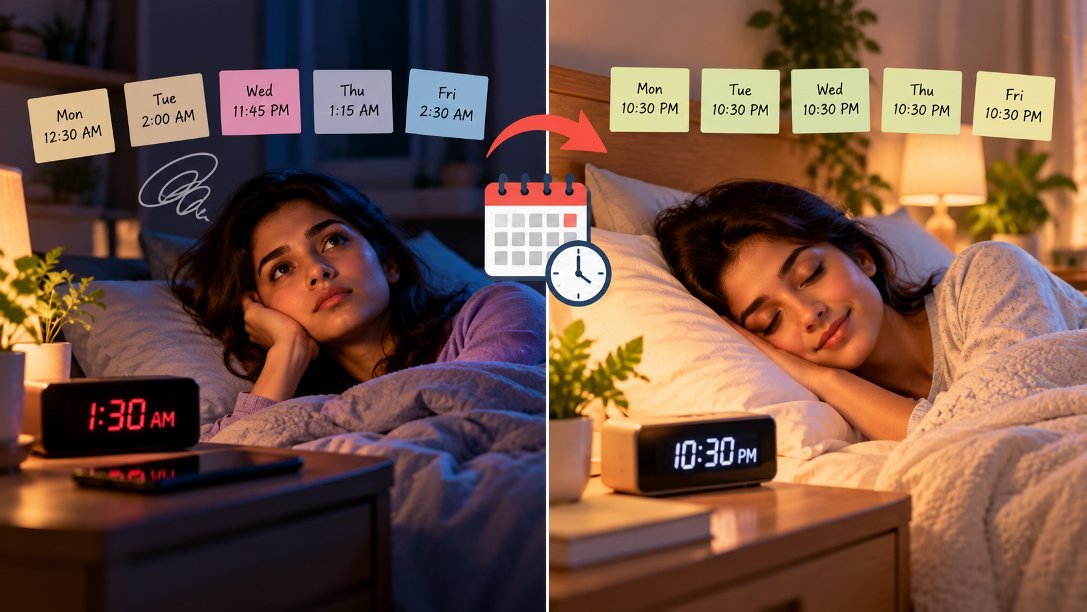
Try going to bed and waking up at roughly the same time each day. Your body generally responds better to a consistent schedule.
3. Your Bedroom Matters More Than You Think
Bright lights, noise and an uncomfortable temperature can turn your bedroom into the worst possible place to sleep.
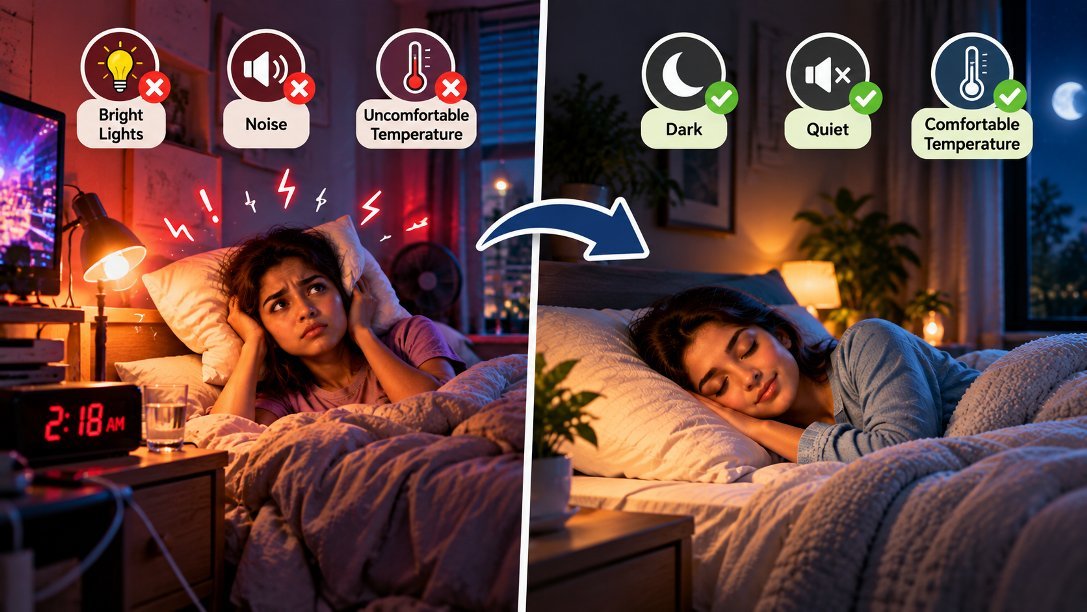
Keep the room dark, quiet and comfortable. Even small changes to your sleeping environment can make bedtime more relaxing.
4. Think Twice Before That Evening Coffee
That late-evening cup of coffee might feel harmless.

But caffeine can stay in your system for hours and may interfere with sleep. If you’re struggling to fall asleep, try moving your last caffeinated drink earlier in the day.
5. Don’t Go to Bed Completely Wired
Going straight from work, gaming or intense scrolling to bed doesn’t give your mind much time to slow down.

Create a short “wind-down period” before sleeping. Read a book, listen to something relaxing or simply dim the lights and step away from your screens.
6. Move During the Day
You don’t necessarily need an intense workout to support better sleep.

A walk, regular exercise or simply being more physically active during the day can be part of a healthy sleep routine.
7. Don’t Ignore What Your Body Is Telling You
Occasional bad sleep happens to everyone.

But if you regularly struggle to sleep, wake up frequently, snore heavily or feel exhausted during the day, don’t simply assume that you need to “try harder” to sleep.
Persistent sleep problems can sometimes be linked to an underlying health issue and are worth discussing with a healthcare professional.
The Bottom Line
Better sleep doesn’t always start when you get into bed.
It can start hours earlier — with less screen time, a regular schedule, a comfortable bedroom and a little time to let your mind slow down.
Tonight, try changing just one habit.
You might be surprised by what happens.
Want to read more lifestyle content? Check out Nation Newz’s latest lifestyle updates for health and wellness tips, fitness updates, daily lifestyle advice, trends and the latest developments from the world of lifestyle.