
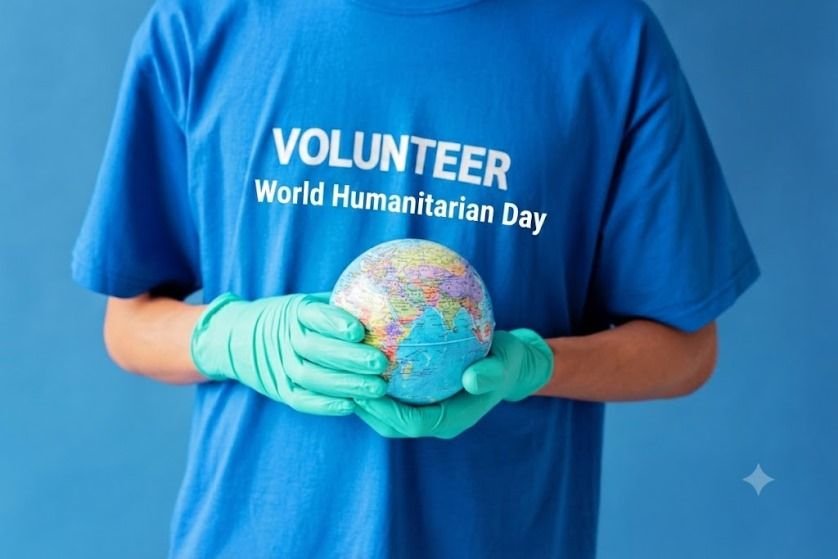
World Humanitarian Day is observed every year on 19 August to recognize humanitarian workers and volunteers who dedicate their lives to helping people affected by war, disasters, displacement, poverty, and other crises. The day also reminds the world of the importance of compassion, solidarity, and collective action.
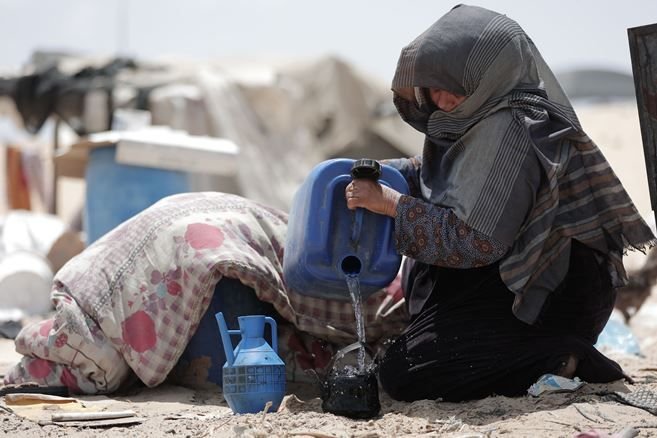
Humanitarian workers often operate in some of the most dangerous and challenging environments. They provide food, shelter, healthcare, clean water, protection, and emotional support to vulnerable communities, sometimes putting their own lives at risk. World Humanitarian Day gives us an opportunity to recognize their courage and reflect on our shared responsibility to help people in need.
What Is World Humanitarian Day?
World Humanitarian Day is an international observance established by the United Nations. It is held on 19 August each year.
The date commemorates humanitarian personnel who lost their lives in the 2003 bombing of the United Nations headquarters in Baghdad, Iraq. Among those killed was Sergio Vieira de Mello, the UN’s Special Representative in Iraq.
The day has since become an important occasion to:
- Honor humanitarian workers and volunteers.
- Remember those who have lost their lives while serving others.
- Raise awareness about humanitarian crises around the world.
- Encourage people to support vulnerable communities.
- Promote the principles of humanity, neutrality, impartiality, and independence.
Why Is World Humanitarian Day Important?
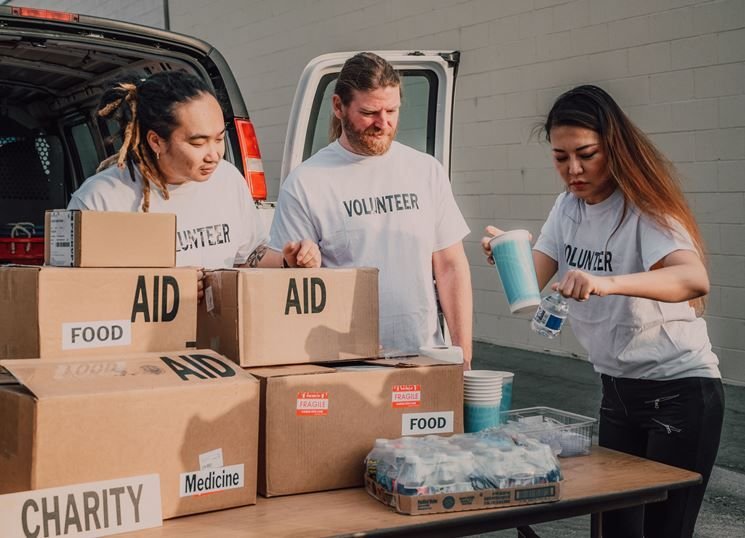
Humanitarian crises can happen anywhere and can affect millions of people. Armed conflicts, earthquakes, floods, droughts, epidemics, and forced displacement can leave communities without basic necessities.
Humanitarian organizations and workers help bridge this gap by providing immediate assistance and long-term support.
| Humanitarian Need | Examples of Support |
|---|---|
| Food security | Food packages, community kitchens, nutritional support |
| Healthcare | Medical treatment, medicines, emergency care |
| Shelter | Temporary housing, tents, reconstruction assistance |
| Clean water | Water supplies, sanitation facilities, hygiene kits |
| Education | Temporary classrooms, learning materials, scholarships |
| Protection | Support for children, refugees, and vulnerable groups |
| Mental well-being | Counseling and psychosocial support |
World Humanitarian Day highlights these efforts while reminding governments, organizations, and individuals that humanitarian assistance is a shared global responsibility.
The Role of Humanitarian Workers
Humanitarian workers come from many different backgrounds and professions. Doctors, nurses, teachers, engineers, drivers, logisticians, social workers, translators, volunteers, and emergency responders can all contribute to humanitarian operations.
Their work may involve:
- Responding to emergencies after natural disasters or conflicts.
- Delivering essential supplies to affected communities.
- Providing medical assistance and supporting healthcare systems.
- Protecting vulnerable people, including children and displaced families.
- Supporting recovery and rebuilding after a crisis.
- Helping communities become more resilient against future emergencies.
In many situations, humanitarian workers must travel through difficult terrain or work in areas where infrastructure has been damaged. Their ability to continue serving communities demonstrates extraordinary commitment and courage.
The Humanitarian Principles
Humanitarian action is guided by several fundamental principles. These principles help organizations provide assistance based on need rather than political, religious, ethnic, or other considerations.
- Humanity: Prevents and relieves human suffering wherever it is found.
- Neutrality: Humanitarian organizations do not take sides in conflicts or political disputes.
- Impartiality: Assistance is provided strictly according to need, without discrimination.
- Independence: Organizations maintain autonomy from political, military, or other external objectives.
These principles are essential for building trust and ensuring that aid reaches people who need it most.
Major Humanitarian Challenges in the World
The humanitarian sector faces increasingly complex challenges. Conflicts and displacement can continue for years, while climate-related disasters can create new emergencies.
Some major humanitarian challenges include:
- Armed conflicts and violence
- Refugee and migrant displacement
- Natural disasters
- Food insecurity and malnutrition
- Poverty and inequality
- Climate change and extreme weather
- Disease outbreaks
- Lack of clean water and sanitation
- Attacks against humanitarian personnel
These challenges often overlap. For example, a conflict can destroy homes and hospitals, force families to flee, disrupt food supplies, and make it difficult for aid organizations to reach affected communities.
How Can We Observe World Humanitarian Day?
World Humanitarian Day is not only about recognizing professional aid workers. Everyone can contribute to a more compassionate society.
Here are some meaningful ways to observe the day:
- Learn about humanitarian issues: Understand the challenges faced by refugees, disaster victims, and communities affected by conflict.
- Support credible organizations: Consider donating to established humanitarian organizations.
- Volunteer: Offer your time or professional skills to community organizations.
- Spread awareness: Share reliable information about humanitarian causes on social media.
- Support your community: Helping a neighbor, donating essential items, or assisting a local charity can make a difference.
- Respect humanitarian workers: Recognize the risks and sacrifices involved in humanitarian service.
- Promote kindness: Small acts of compassion can strengthen communities.
World Humanitarian Day and Young People
Young people have an important role to play in humanitarian action. Students and young professionals can contribute through volunteering, awareness campaigns, fundraising, community service, and education.
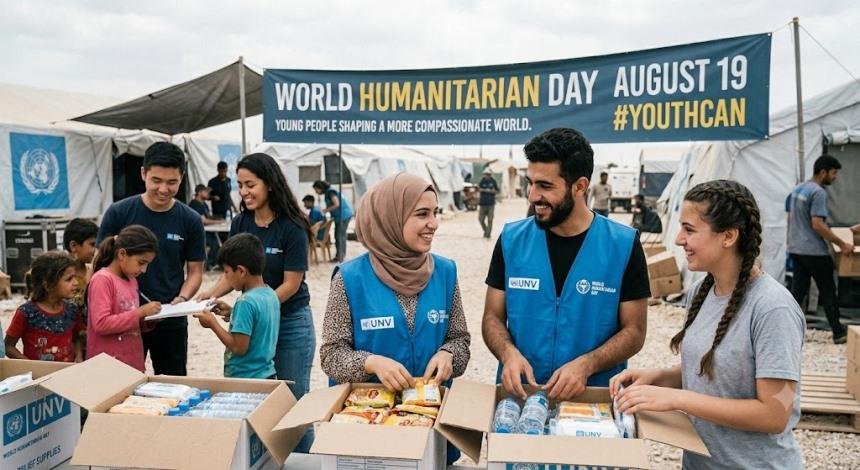
Schools and colleges can mark World Humanitarian Day by organizing:
- Essay and poster competitions
- Donation drives
- Community volunteering programs
- Awareness seminars
- Discussions about global crises
- First-aid and emergency preparedness workshops
Teaching young people about humanitarian values can help build a generation that understands the importance of empathy, cooperation, and social responsibility.
A Message of Hope and Solidarity
World Humanitarian Day is ultimately about people helping people. Behind every statistic about a humanitarian crisis are individuals and families with hopes, fears, dreams, and fundamental needs.
The day encourages us to look beyond borders and recognize our common humanity. It reminds us that humanitarian action is not simply about providing emergency supplies; it is also about restoring dignity, protecting rights, rebuilding communities, and giving people hope.
Even a small contribution can have an impact when millions of people work together.
Conclusion
World Humanitarian Day, observed on 19 August, is a powerful reminder of the courage and compassion shown by humanitarian workers around the world. It honors those who serve communities during some of the most difficult moments imaginable and remembers those who have lost their lives while helping others.
The day also challenges each of us to become more compassionate and socially responsible. Whether through volunteering, donating, raising awareness, or simply helping someone in need, everyone can contribute to humanitarian action.
On World Humanitarian Day, we celebrate the people who stand with communities in times of crisis—and reaffirm the belief that humanity, compassion, and solidarity can make the world a better place.