

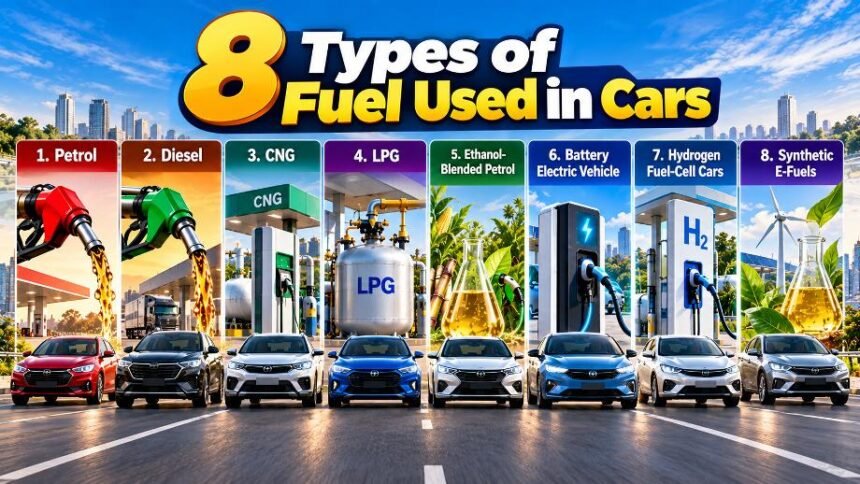
When we talk about car fuels, petrol, diesel, and CNG are usually the first names that come to mind. But the automobile industry is now moving toward a much wider range of fuels.
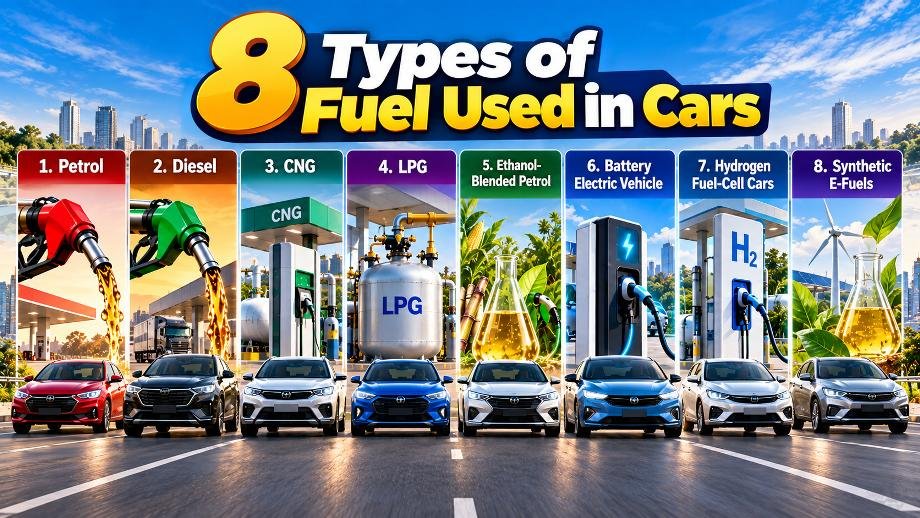
From ethanol and flex-fuel vehicles to hybrids, battery-electric cars, hydrogen and synthetic fuels, the way cars are powered is changing rapidly.
Here are 11 important car fuel types you should know about.
1. Petrol
Petrol remains one of the most widely used fuels for passenger cars.

A petrol engine burns a mixture of air and fuel inside its cylinders. The resulting combustion produces the power needed to turn the wheels.
Petrol cars are popular because of their widespread fuel availability, smooth engine operation and generally strong performance.
However, petrol engines produce exhaust emissions and depend on petroleum-based fuel.
2. Diesel
Diesel is another traditional automotive fuel and has historically been popular in SUVs, larger cars and commercial vehicles.

Diesel engines are known for strong low-speed torque and good fuel efficiency, making them useful for vehicles that regularly carry heavy loads or travel long distances.
However, increasingly strict emissions regulations and the growth of electrified powertrains are changing the role of diesel in the passenger-car market.
3. CNG
Compressed Natural Gas, or CNG, is already an established alternative fuel in India.
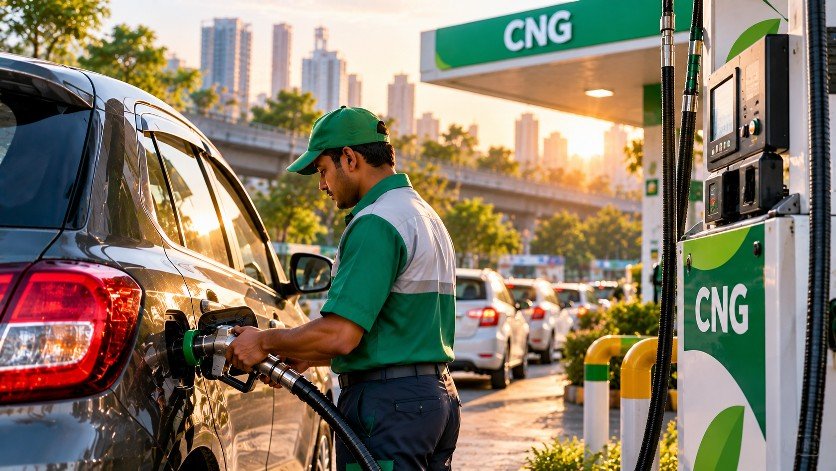
CNG is stored under high pressure and supplied to a specially designed or converted engine. It is particularly popular among some city drivers because of its relatively low running cost.
CNG can also produce lower tailpipe emissions than conventional petrol and diesel under comparable conditions.
One limitation is the availability of refuelling infrastructure, while the storage tank can also take up space in the vehicle.
4. LPG
Liquefied Petroleum Gas, commonly known as LPG or Autogas when used as a vehicle fuel, can also power internal-combustion engines.
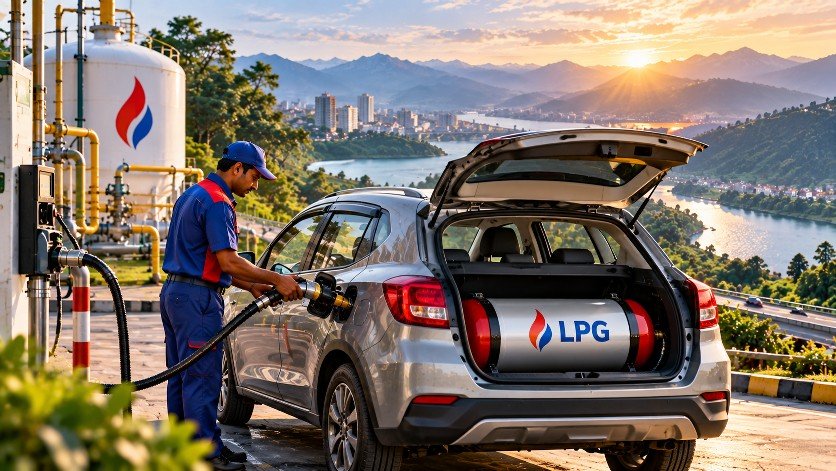
The fuel is stored as a liquid under pressure and converted into gas before combustion.
LPG-powered vehicles are more common in some international markets than in India’s private-car market. Its popularity depends largely on local fuel availability, infrastructure and regulations.
5. Ethanol-Blended Petrol
Ethanol is a biofuel that can be blended with petrol.
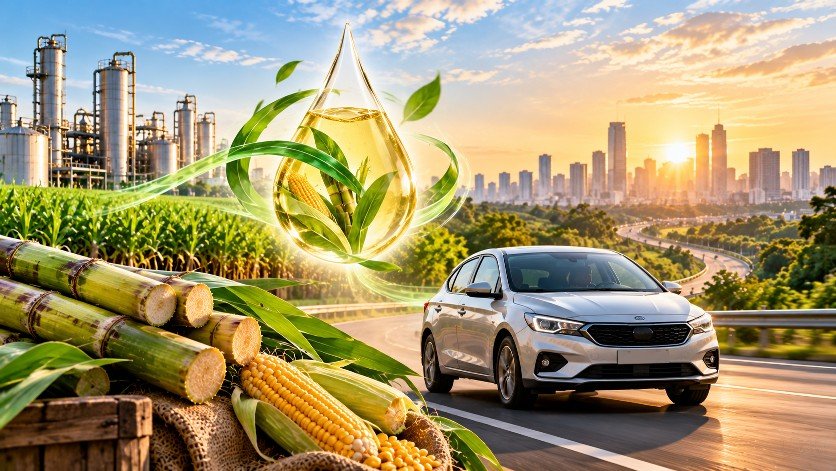
You may have seen terms such as E10 and E20. The numbers indicate the approximate percentage of ethanol in the fuel blend.
For example:
- E10 = around 10% ethanol
- E20 = around 20% ethanol
India has significantly increased ethanol blending in petrol as part of its efforts to reduce petroleum imports and increase the use of domestically produced renewable fuels.
However, not every vehicle is designed for every ethanol concentration, which is why compatibility is important.
6. Battery Electric Vehicle
Battery Electric Vehicles, or BEVs, are what most people simply call EVs.
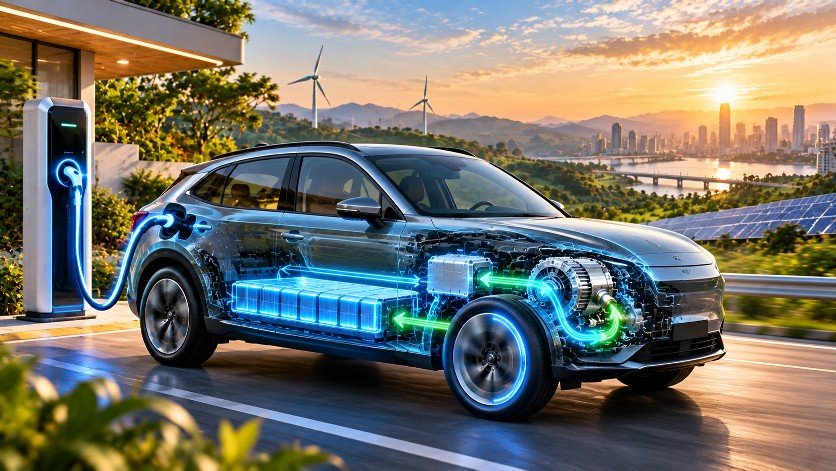
Instead of using a petrol or diesel engine, the vehicle uses electricity stored in a large battery pack.
The basic power flow is:
Battery → Inverter → Electric Motor → Wheels
EVs have fewer moving mechanical components than conventional combustion vehicles and can deliver instant torque.
However, charging infrastructure, charging time, battery cost, range and raw-material supply remain important considerations.
7. Hydrogen Fuel-Cell Cars
Hydrogen fuel-cell vehicles use hydrogen to generate electricity onboard.
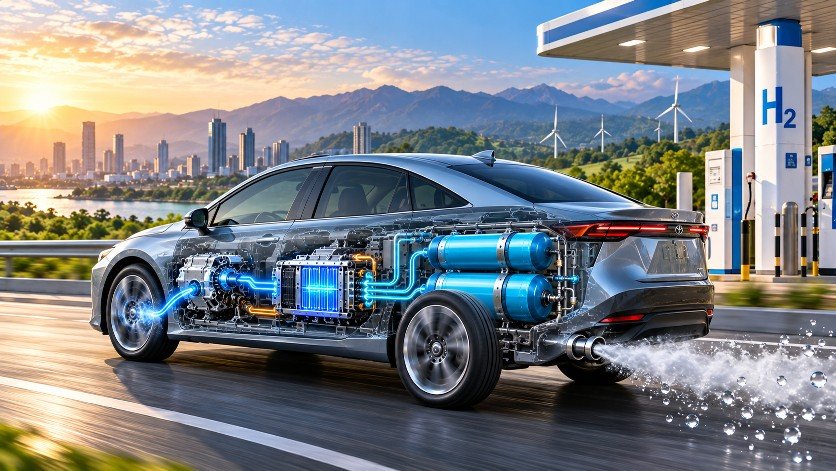
Rather than simply burning hydrogen in a conventional engine, the fuel cell produces electricity that powers an electric motor.
The basic process is:
Hydrogen → Fuel Cell → Electricity → Electric Motor → Wheels
Water is the main tailpipe output from the fuel-cell process.
However, hydrogen passenger cars currently face challenges involving fuel production, storage, transportation and the availability of hydrogen refuelling stations.
As a result, hydrogen fuel-cell technology remains far less widespread than battery-electric vehicles.
8. Synthetic E-Fuels
Synthetic fuels, often called e-fuels, are another technology being explored by the automotive industry.
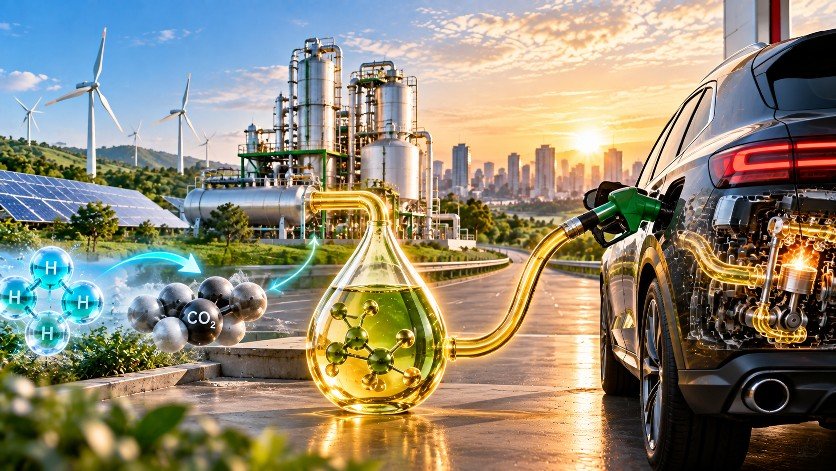
These fuels can be produced using hydrogen and carbon-based feedstocks, with renewable electricity potentially playing an important role in their production.
One attraction of e-fuels is that they can be designed as liquid fuels suitable for combustion engines.
That means existing engine technology could potentially continue to be used without completely switching to electric motors.
However, production costs and overall energy efficiency remain major challenges.