

Eggs are one of the easiest ways to add high-quality protein and essential nutrients to your daily diet. From supporting muscle health to providing nutrients that are important for the brain, eyes, hair, and overall well-being, eggs can be a nutritious part of a balanced diet.
- 1. Eggs Can Support Muscle and Body Strength
- 2. Your Brain Gets Important Nutrients
- 3. Eggs May Help Keep You Full for Longer
- 4. Eggs Provide Nutrients Important for Hair and Nails
- 5. Eggs Support Eye Health
- 6. Eggs Can Help You Meet Your Daily Nutrient Needs
- 7. Eggs Can Be a Convenient Source of High-Quality Nutrition
- What About Cholesterol?
- Does Eating Eggs Every Day Cause Weight Gain?
- How Many Eggs Should You Eat in a Day?
- The Bottom Line
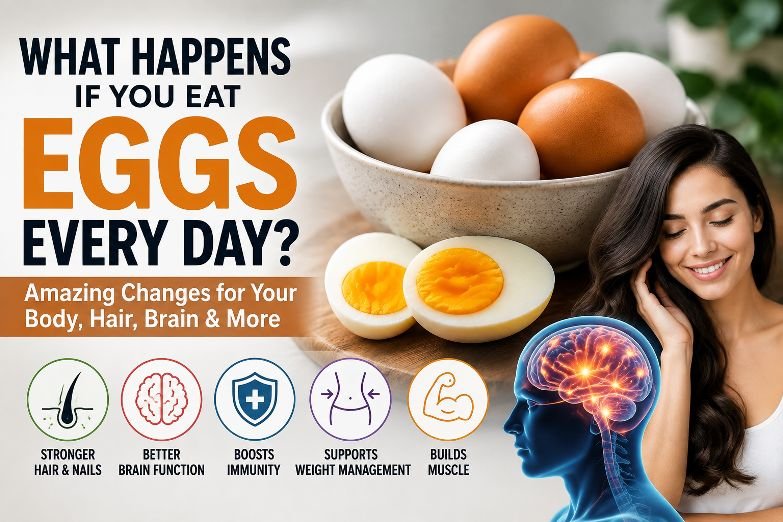
But what actually happens when you start eating an egg every day? Can daily eggs help with hair and brain health? What about cholesterol and weight gain?
For most healthy people, eating one egg a day can fit comfortably into a balanced diet. However, the overall quality of your diet and how the egg is prepared also matter. Here are some potential benefits of including eggs regularly in your meals.
1. Eggs Can Support Muscle and Body Strength
Eggs are a convenient source of complete protein, meaning they contain all nine essential amino acids that the body needs.
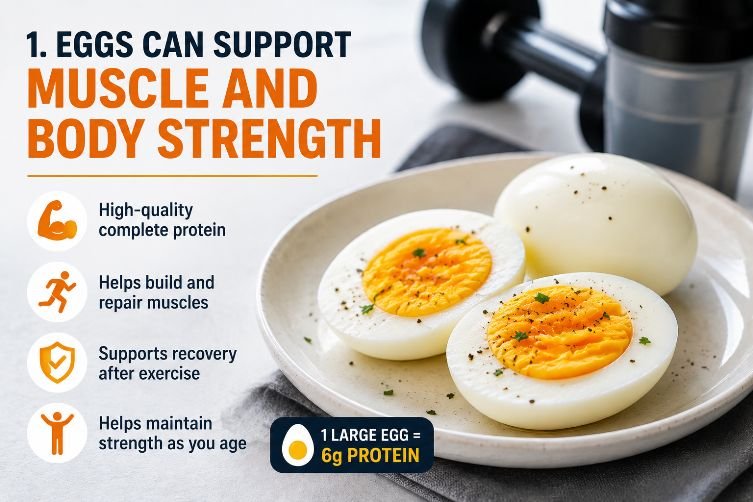
Protein is important for maintaining and repairing muscles, making eggs particularly useful for people who exercise regularly or want to maintain muscle mass as they age.
One large egg provides roughly 6 grams of protein, although the exact amount can vary slightly by egg size.
Why protein matters
- Helps maintain muscle tissue
- Supports muscle recovery after exercise
- Helps keep you feeling full
- Contributes to healthy skin, hair and nails
- Supports normal growth and tissue repair
2. Your Brain Gets Important Nutrients
Eggs contain choline, a nutrient that plays an important role in normal brain function and the nervous system.
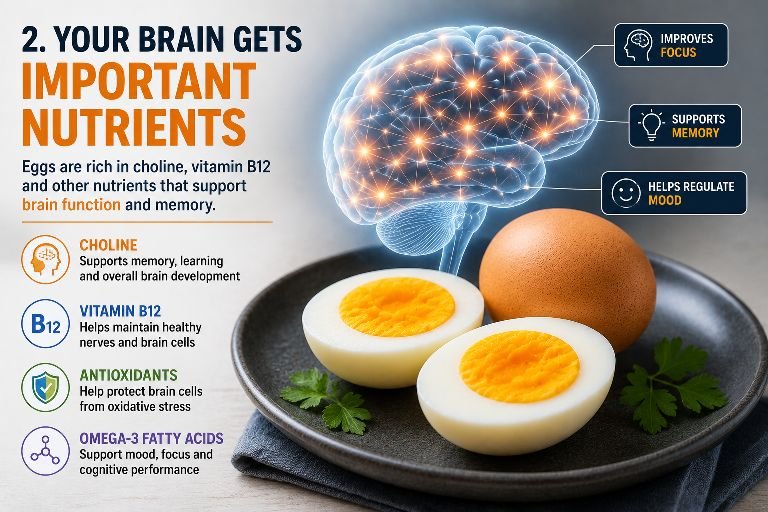
They also provide vitamin B12 and other nutrients involved in normal neurological function. Regularly including nutrient-rich foods such as eggs can therefore contribute to an overall brain-supportive diet.
However, eating eggs alone does not automatically improve memory or intelligence. Brain health depends on your overall diet, sleep, physical activity, and lifestyle.
3. Eggs May Help Keep You Full for Longer
One reason eggs are popular in breakfast meals is their protein content. Protein tends to be more filling than carbohydrates alone, which may help reduce unnecessary snacking for some people.
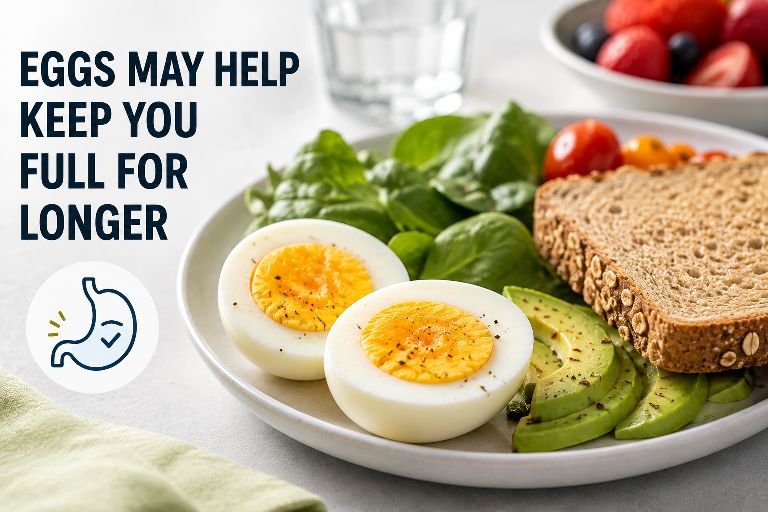
For people trying to manage their weight, replacing a highly processed breakfast with eggs, vegetables and whole grains can be a practical option.
A healthier breakfast combination could include:
- Boiled or lightly cooked eggs
- Whole-grain toast
- Fresh vegetables
- Fruit
- Unsweetened tea or coffee
The way you cook the egg matters too. Deep-frying eggs in large amounts of butter or oil can add considerably more calories than boiling or poaching them.
4. Eggs Provide Nutrients Important for Hair and Nails
Hair and nails are largely made of a protein called keratin, so adequate protein intake is important for maintaining them.
Eggs provide protein along with several micronutrients, including biotin, zinc, selenium and vitamin B12.

That doesn’t mean eating eggs will automatically stop hair fall or make hair grow faster. Hair health depends on many factors, including genetics, overall nutrition and underlying health conditions.
Nutrients in eggs that support normal hair and nail health include:
- Protein
- Biotin
- Zinc
- Selenium
- Vitamin B12
- Iron, in smaller amounts
5. Eggs Support Eye Health
Egg yolks contain lutein and zeaxanthin, two carotenoids associated with eye health.
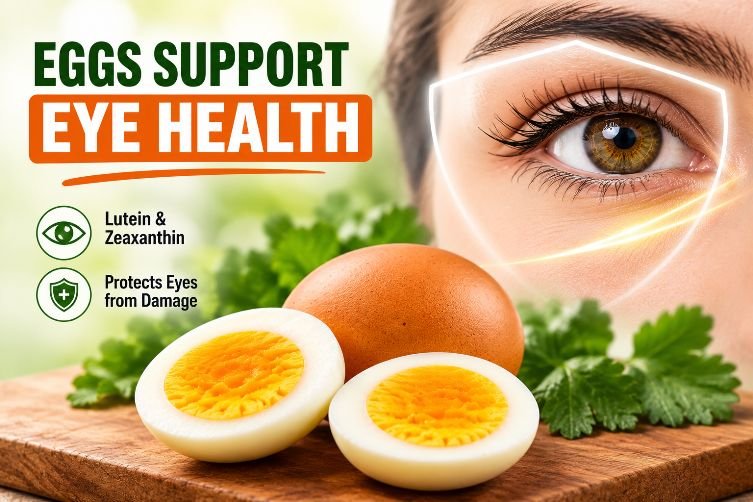
These compounds accumulate in the retina and are involved in protecting the eyes from oxidative stress. Eggs can therefore be a useful addition to a varied diet that includes other colourful fruits and vegetables.
6. Eggs Can Help You Meet Your Daily Nutrient Needs
Eggs are relatively small but nutrient-dense foods. They provide protein and several vitamins and minerals without requiring complicated preparation.
Approximate nutrition in one large egg
| Nutrient | Approximate amount |
|---|---|
| Calories | 70–80 kcal |
| Protein | 6–7 g |
| Fat | 5 g |
| Vitamin B12 | Present |
| Choline | Present |
| Selenium | Present |
| Vitamin A | Present |
| Vitamin D | Small amount |
| Lutein & Zeaxanthin | Present |
Values can vary depending on egg size and preparation.
7. Eggs Can Be a Convenient Source of High-Quality Nutrition
One of the biggest advantages of eggs is convenience. They are inexpensive compared with many protein-rich foods, easy to cook, and can be added to breakfast, lunch or dinner.

Boiled eggs, omelettes with vegetables and eggs served with whole grains can all be part of a balanced eating pattern.
What About Cholesterol?
This is one of the biggest concerns people have about eating eggs every day.
Egg yolks do contain dietary cholesterol. However, the relationship between dietary cholesterol and blood cholesterol is more complicated than simply saying that eating eggs will raise your cholesterol.
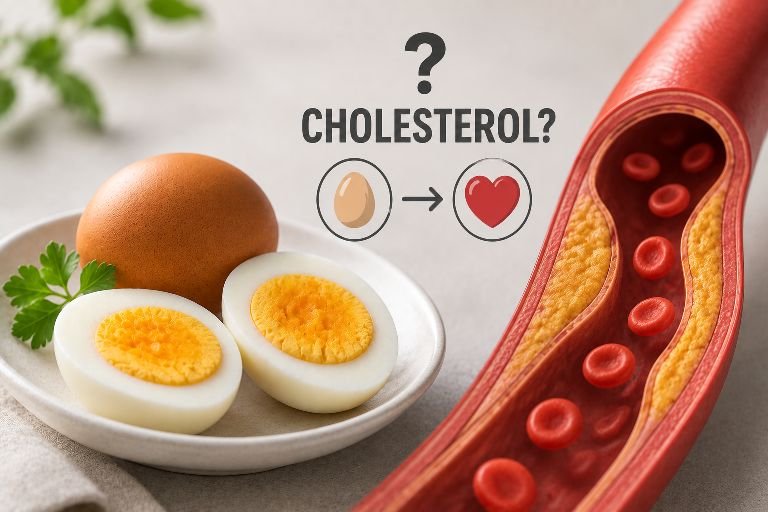
For most healthy people, one egg a day can be included as part of a balanced diet. Saturated fat intake, overall dietary pattern, genetics and individual health conditions also influence cholesterol levels.
If you have high cholesterol, diabetes, cardiovascular disease or have been advised to restrict dietary cholesterol, it is better to discuss your egg intake with your doctor or dietitian.
Does Eating Eggs Every Day Cause Weight Gain?
Not necessarily.
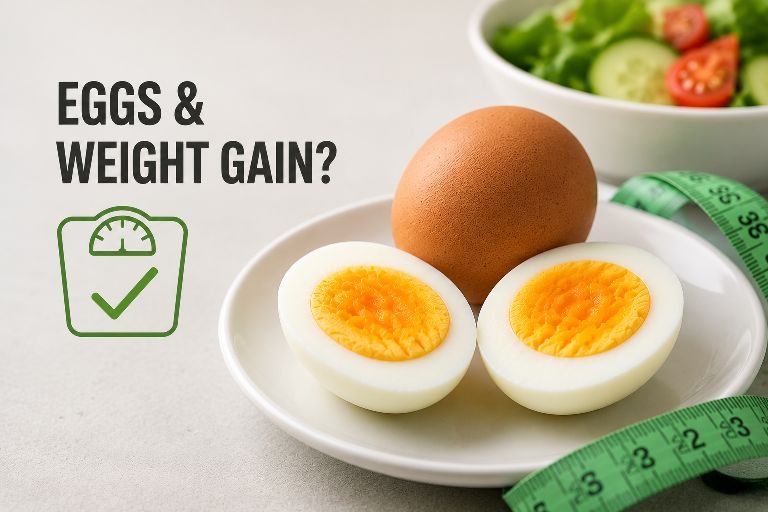
An egg itself is relatively low in calories and contains protein, which can help with satiety. Weight gain generally occurs when you consistently consume more calories than your body needs.
The bigger issue can be what you eat with the eggs and how they are prepared.
For example:
| Preparation | Better everyday choice? |
|---|---|
| Boiled egg | ✅ Yes |
| Poached egg | ✅ Yes |
| Vegetable omelette | ✅ Yes |
| Scrambled with little oil | ✅ Generally |
| Deep-fried egg | ⚠️ Higher in added fat |
| Egg with processed meats | ⚠️ Limit |
| Egg with lots of butter/cheese | ⚠️ Higher in saturated fat |
How Many Eggs Should You Eat in a Day?
There isn’t one perfect number for everyone. For many healthy adults, one egg a day is a reasonable choice, provided the rest of the diet is balanced.

Your individual needs can be different depending on your age, activity level, health conditions and overall diet.
Instead of focusing only on the number of eggs, pay attention to the bigger picture:
- Include plenty of vegetables and fruits
- Choose whole grains and other high-fibre foods
- Get protein from a variety of sources
- Limit highly processed foods
- Avoid excessive saturated fat
- Stay physically active
The Bottom Line
Eating an egg every day can be a simple way to add high-quality protein, choline, vitamin B12, selenium and other important nutrients to your diet. It may support muscle maintenance, provide nutrients important for brain and eye health, and contribute to healthy hair and nails when your overall diet is nutritious.
However, eggs are not a miracle food. Eating them daily will not automatically improve hair growth, eliminate stress or prevent disease. How much you eat, how you prepare it, and what the rest of your diet looks like all matter.
If you have a history of high cholesterol, heart disease, diabetes or another condition requiring dietary restrictions, speak with a healthcare professional before making major changes to your daily diet.