

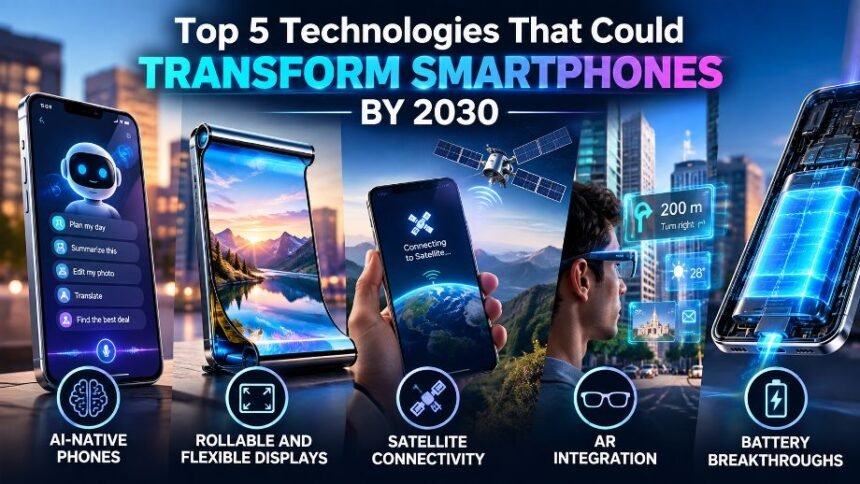
Smartphones have already evolved from simple communication devices into powerful cameras, gaming machines and AI assistants. But the next major shift could be even bigger.
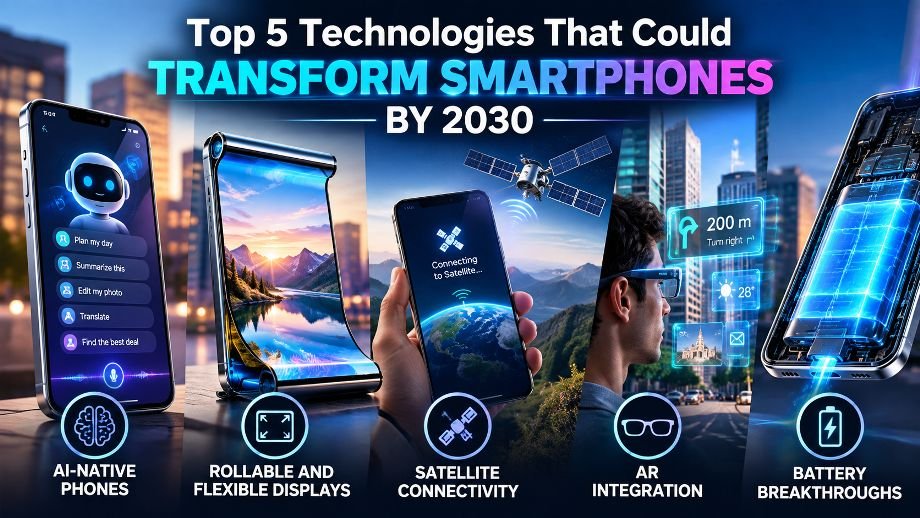
By 2030, several emerging technologies could change how smartphones look, connect and work. From AI-native devices to new battery technologies, here are 5 technologies that could transform smartphones in the coming years.
1. AI-Native Smartphones
AI could become the core of future smartphones rather than just another app or feature.
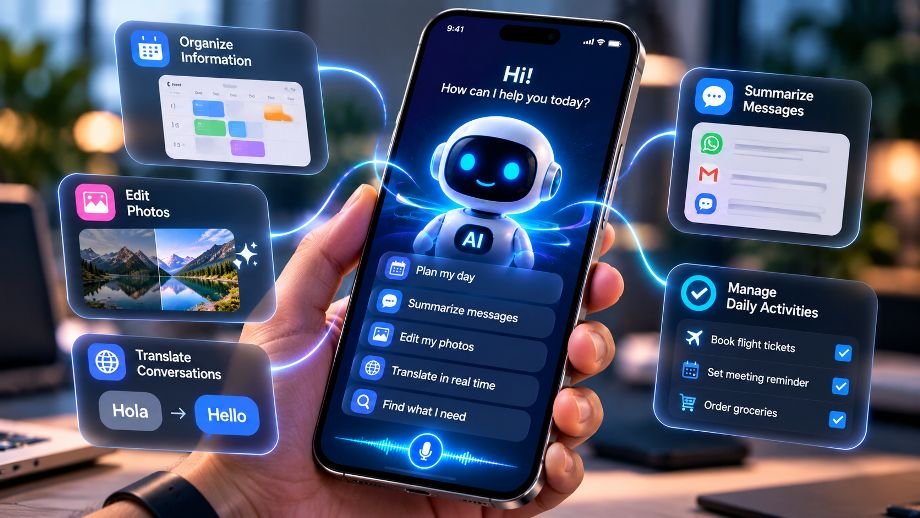
Future phones may use on-device AI to understand what users are doing and automatically handle tasks such as organizing information, editing photos, summarizing messages, translating conversations and managing daily activities.
The biggest change could be smartphones becoming more proactive, requiring fewer taps and commands from users.
2. Rollable and Flexible Displays
Foldable phones are already showing how smartphone screens can become more flexible. The next step could be rollable displays.
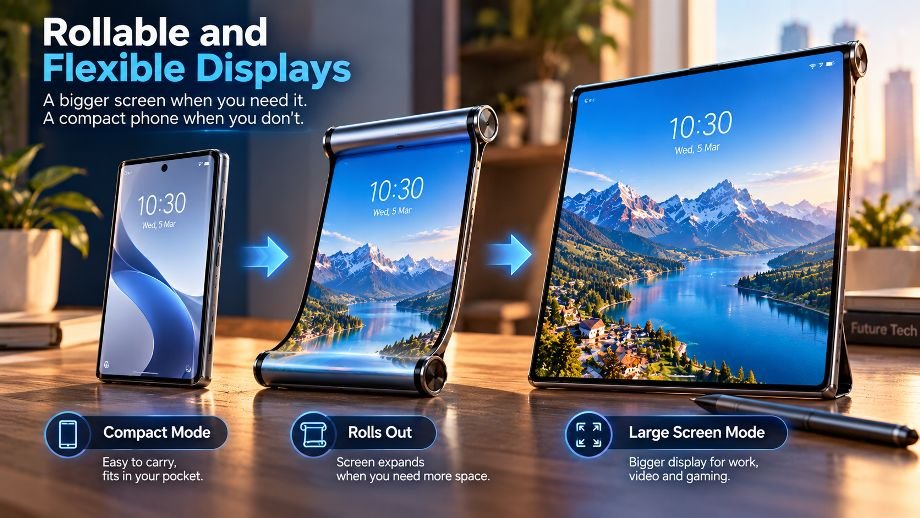
Instead of folding the phone, a rollable screen could expand when users need a larger display and become more compact when they do not.
This could allow manufacturers to offer larger screens without making smartphones significantly bigger to carry.
3. Satellite Connectivity
Satellite connectivity could make smartphones more useful in areas where traditional mobile networks are unavailable.
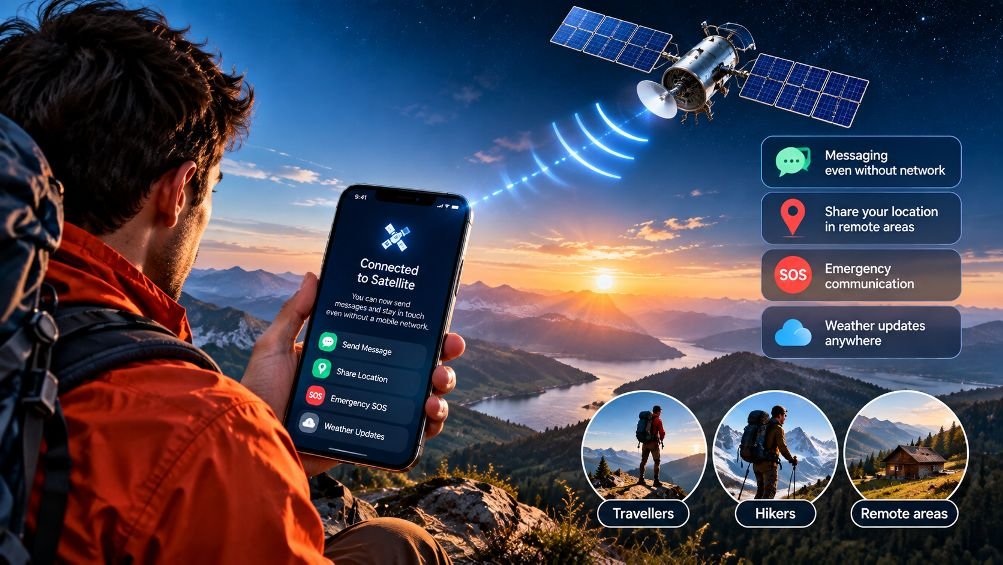
Current satellite-based smartphone features are largely focused on emergency communication and limited messaging. Future systems could potentially offer broader communication capabilities as satellite networks and smartphone hardware improve.
This could be particularly useful for travellers, hikers and people living in remote areas.
4. AR Integration
Augmented reality could become much more closely connected with smartphones.
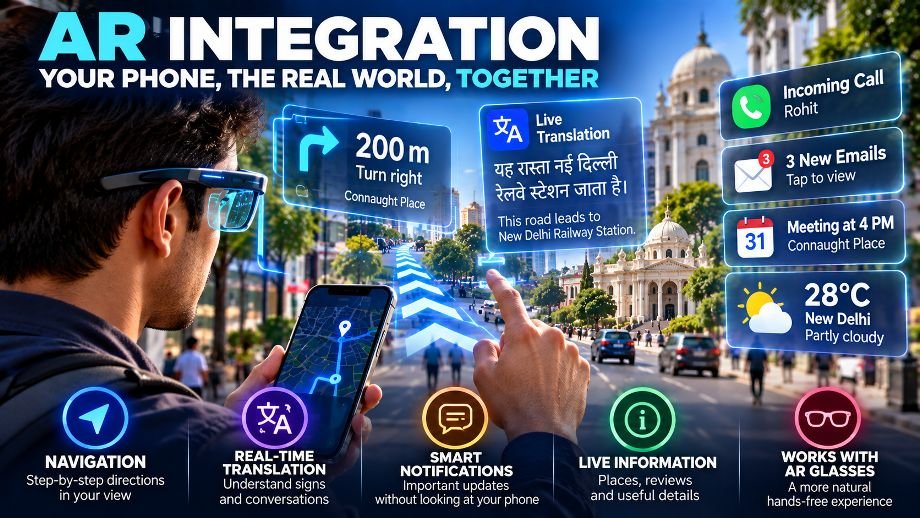
Future phones may work alongside AR glasses to display navigation, translations, notifications and other information in the user’s field of view.
Instead of constantly looking down at a screen, users could interact with digital information through a combination of smartphones, cameras and wearable displays.
5. Battery Breakthroughs
Battery technology remains one of the biggest limitations of modern smartphones.
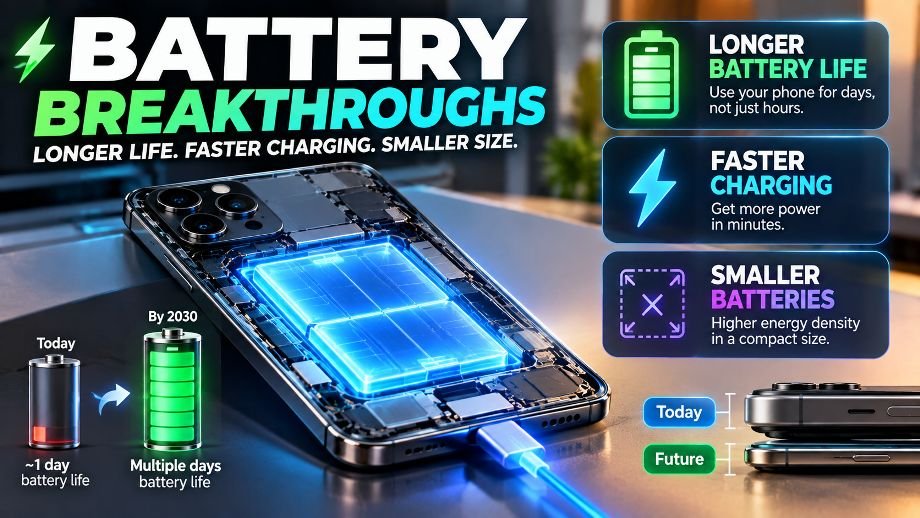
New battery chemistries and improved charging technologies could eventually deliver longer battery life, faster charging and potentially smaller batteries with higher energy density.
If these technologies become commercially practical at scale, users could spend less time charging their phones while manufacturers gain more freedom to design thinner or more powerful devices.
The Smartphone of 2030 Could Be Very Different
The smartphone of 2030 may not simply be a faster version of today’s devices. AI could make phones more autonomous, flexible displays could change their physical design, satellite connectivity could expand coverage, AR could reduce dependence on traditional screens, and better batteries could improve everyday usability.
Not every technology will reach mainstream smartphones by 2030, but these developments show where the industry could be heading.
The biggest change may be that the smartphone itself becomes less important as a standalone screen and more important as the central brain connecting AI, wearables and other devices.
Looking for more smartphone updates? Explore our Smartphone section for the latest information, features, buying guides and more.