

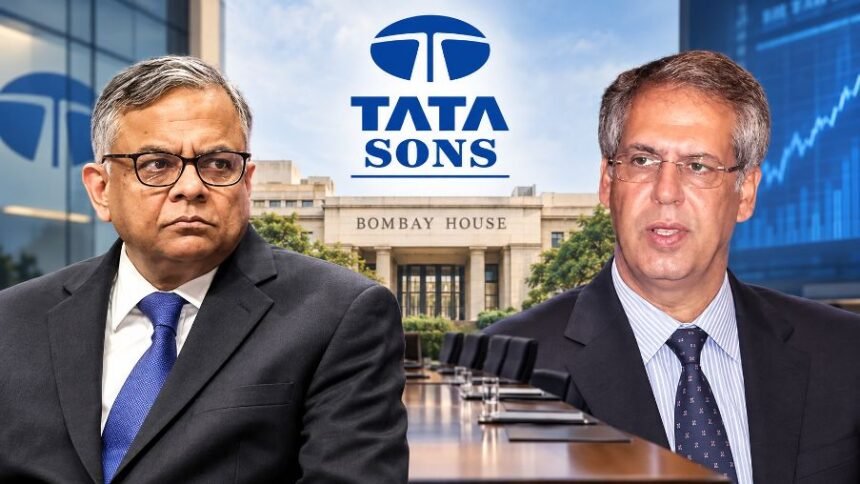
Tata Sons has approved a fresh five-year term for N. Chandrasekaran as Executive Chairman, reversing his earlier decision not to seek another term after his current tenure ends in February 2027.
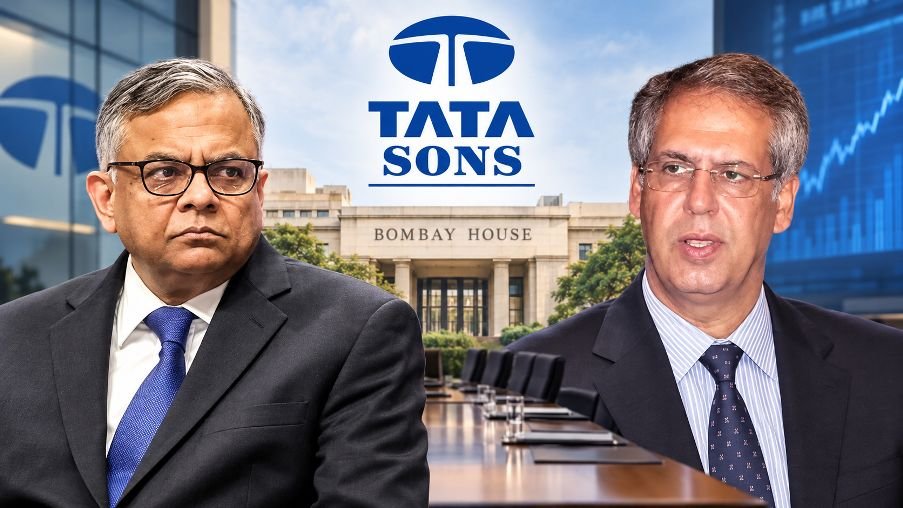
The decision was taken at a Tata Sons board meeting in Mumbai on Thursday, September 17, 2026. According to reports, the resolution was approved by a majority of the board, while Tata Trusts Chairman Noel Tata voted against the reappointment.
Chandrasekaran, who has headed Tata Sons since 2017, had announced on August 12 that he would not seek a third term. However, the board subsequently asked him to reconsider the decision. Tata Sons said in a statement that Chandrasekaran agreed to reconsider and the board then resolved to reappoint him for another five-year term.
Why Did Tata Sons Reverse the Decision?
The leadership decision comes at a significant time for Tata Sons, particularly after a recent regulatory development involving the Reserve Bank of India.
The RBI rejected Tata Sons’ application to surrender its registration as a Core Investment Company, keeping the company within the regulatory framework that could require it to pursue a public listing. Tata Sons had sought to avoid that requirement by changing its regulatory status.
The RBI decision has brought the potential listing of Tata Sons back into focus. The company controls stakes in several major Tata Group businesses and had been seeking to remain privately held.
Noel Tata Opposes Reappointment
Noel Tata, who chairs Tata Trusts, voted against Chandrasekaran’s reappointment, according to reports. Tata Trusts and affiliated trusts collectively hold around 66% of Tata Sons.
Despite the opposition, the board approved the five-year extension through a majority vote.
The decision also comes amid reported differences within the Tata Group over leadership succession and the future listing of Tata Sons.
Tata Sons Listing Also Discussed
The board meeting also considered the issue of Tata Sons’ potential stock-market listing. However, no separate resolution approving a listing was passed at the meeting, according to reports.
The listing issue has become increasingly important after the RBI rejected Tata Sons’ attempt to surrender its regulatory registration. Reuters reported that Tata Sons has standalone assets of around ₹1.75 trillion as of March 2025, placing it within the regulatory framework applicable to large upper-layer NBFCs.
What Happens Next?
Chandrasekaran’s reappointment provides continuity at the top of Tata Sons while the group deals with regulatory requirements and the potential listing process.
His current term was scheduled to end on February 20, 2027. With the fresh five-year appointment approved by the board, he is set to continue as Executive Chairman beyond that date, subject to the required corporate approval process.
The development also puts the spotlight back on the relationship between Tata Sons, Tata Trusts and other shareholders as the group navigates its next phase of leadership and regulatory changes.