

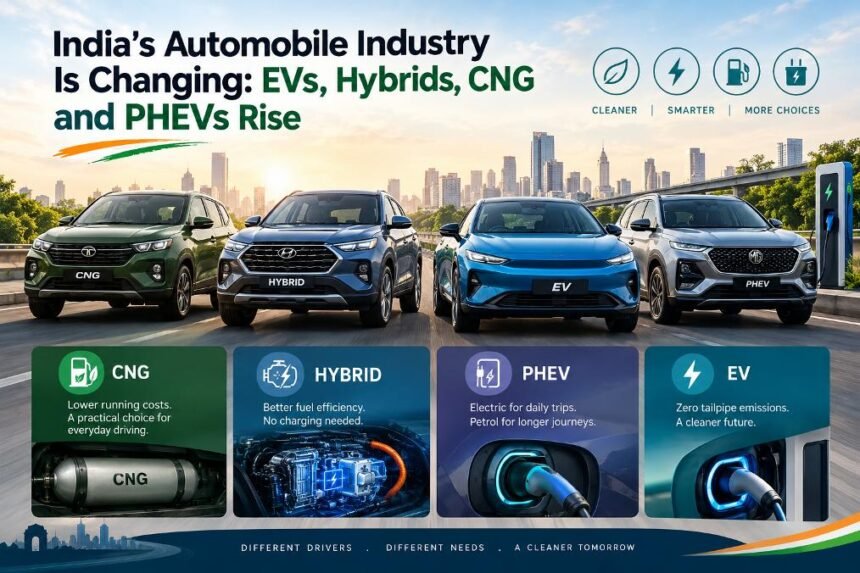
India’s automobile industry is going through a major transformation as buyers increasingly look beyond conventional petrol and diesel vehicles. Electric vehicles (EVs), CNG cars, strong hybrids and plug-in hybrid electric vehicles (PHEVs) are becoming increasingly important as consumers look for lower running costs and more efficient alternatives.
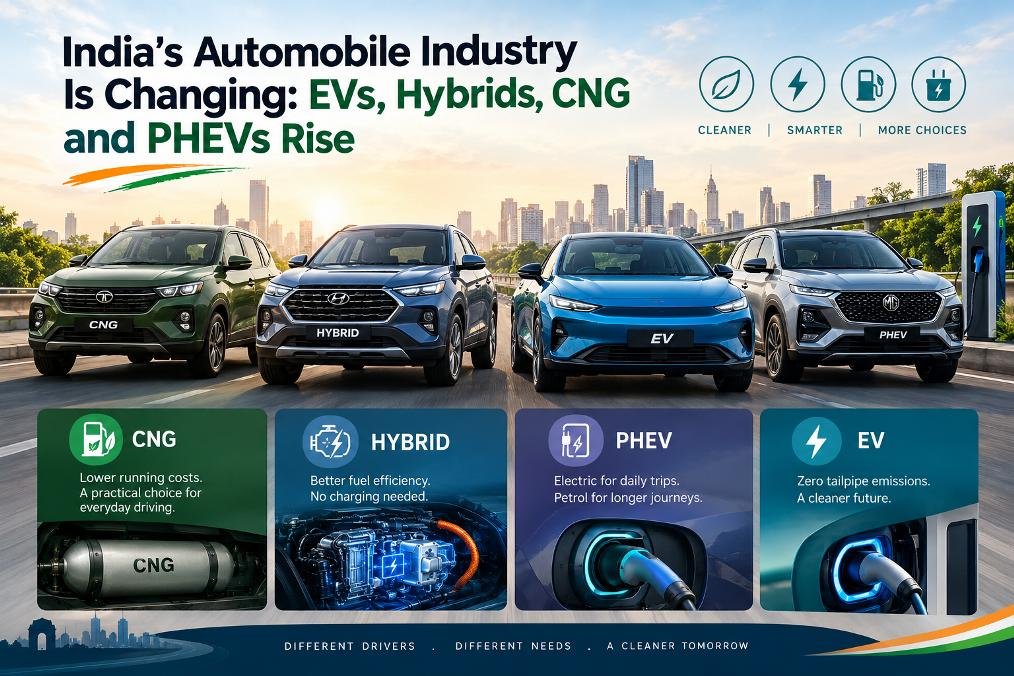
The shift is also visible in recent retail sales trends. Alternative-fuel passenger vehicles, including CNG, hybrids and EVs, accounted for nearly 42% of passenger-vehicle sales in August 2026, slightly ahead of petrol vehicles. The trend highlights how quickly consumer preferences are changing in India’s car market.
EVs Continue to Gain Ground
Electric vehicles remain one of the biggest trends in the Indian automobile industry. EV sales have been growing as manufacturers launch more models across different price segments and charging infrastructure continues to expand.
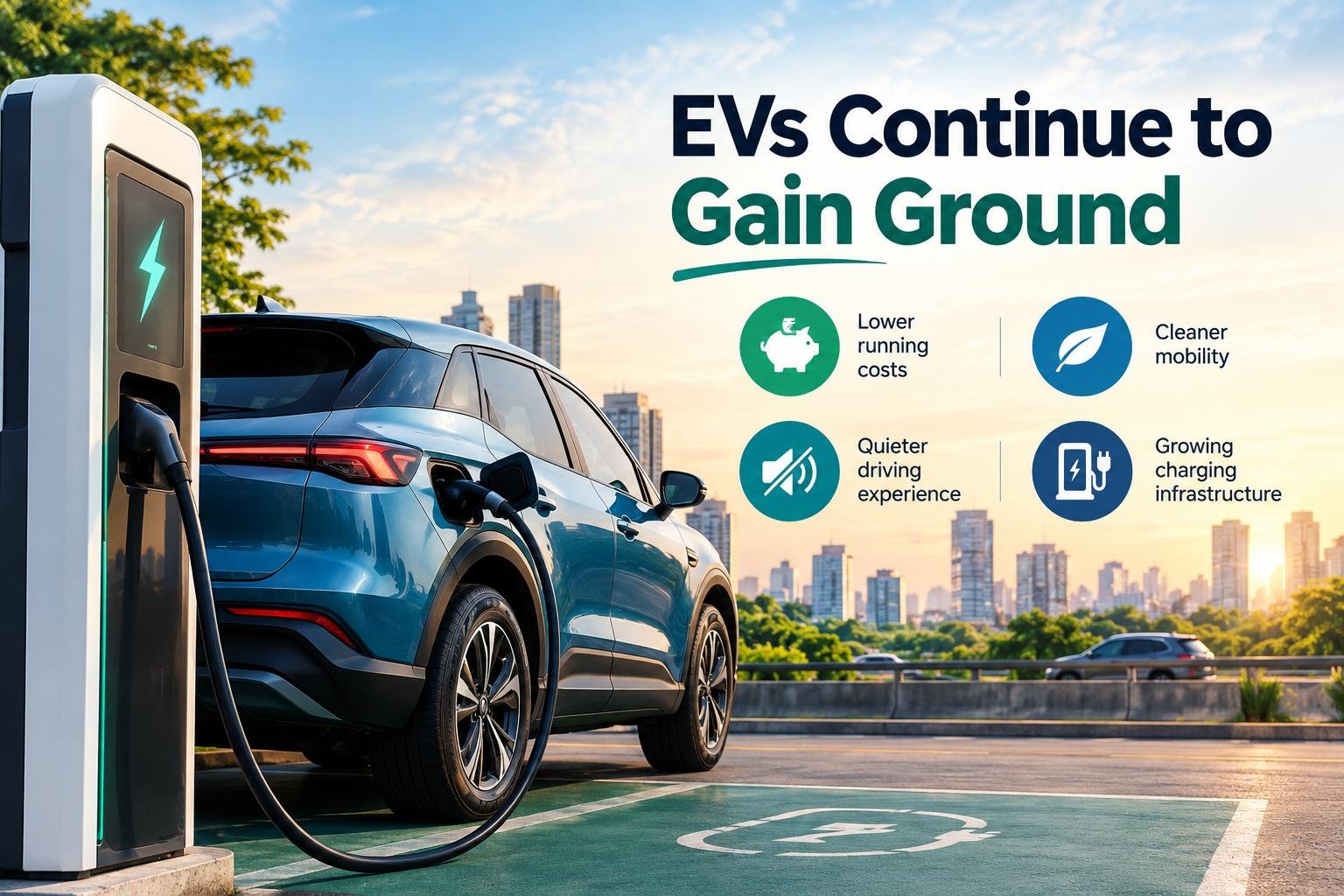
For urban buyers with access to home or workplace charging, EVs can offer lower running costs and a quieter driving experience. However, concerns about charging availability, long-distance travel and higher upfront prices continue to influence purchasing decisions.
Hybrid Cars Become More Popular
Strong hybrid vehicles are also attracting Indian buyers. These cars combine a petrol engine with an electric motor and battery to improve fuel efficiency without requiring the owner to plug the vehicle into a charger.
This makes hybrids particularly attractive to consumers who want better fuel economy but are not ready to completely switch to an electric vehicle.
Several manufacturers are expanding their hybrid portfolios, suggesting that hybrids could play an important role in India’s transition toward cleaner mobility.
PHEVs Bring Electric Driving and Petrol Together
Plug-in hybrid electric vehicles, or PHEVs, are another emerging trend in India’s automobile market. Unlike conventional hybrids, PHEVs have larger batteries that can be charged using an external power source.
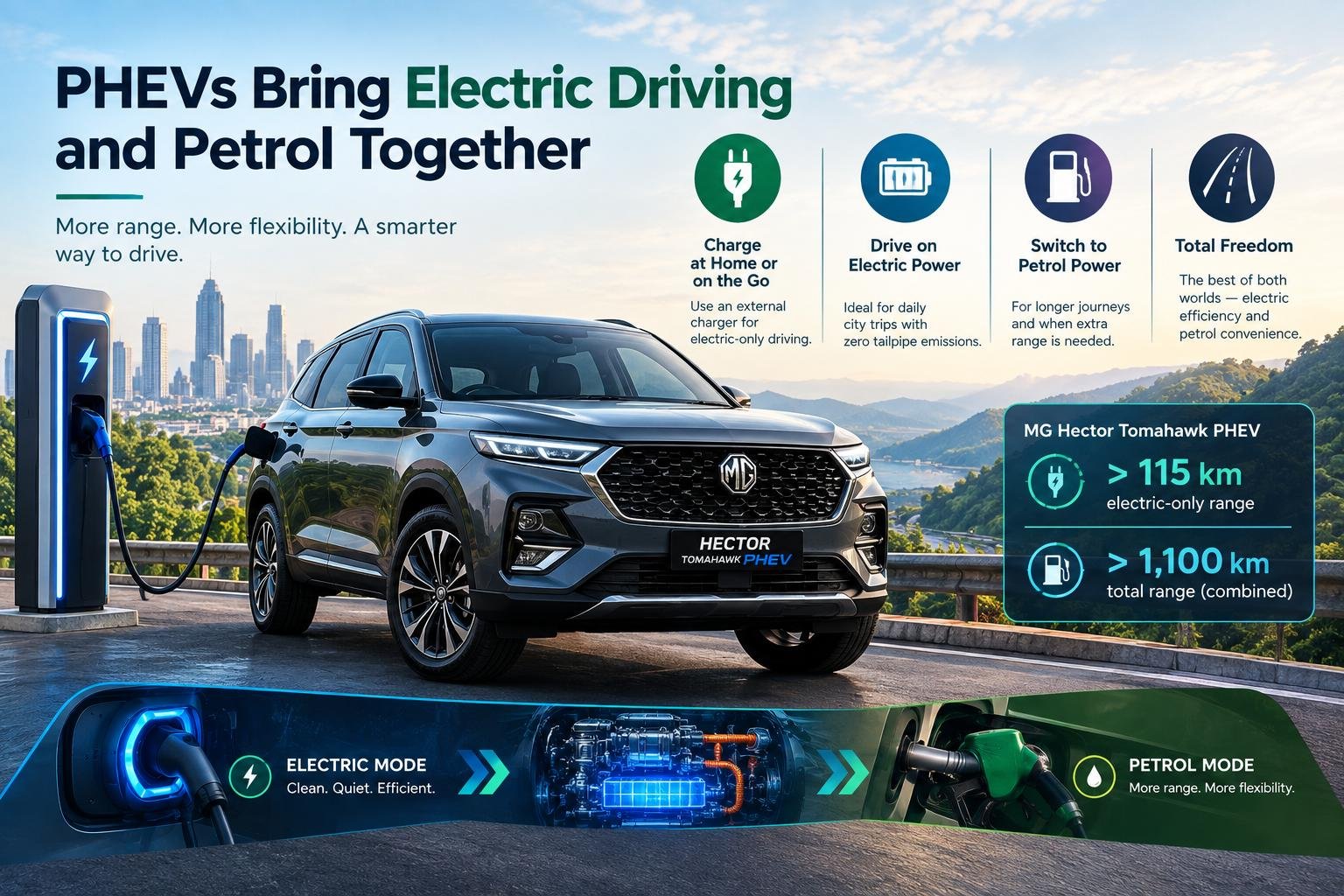
This allows the vehicle to operate on electric power for daily trips while retaining a petrol engine for longer journeys. For consumers who have access to charging but regularly travel long distances, PHEVs could offer a middle ground between a conventional hybrid and a fully electric vehicle.
The MG Hector Tomahawk PHEV has brought additional attention to the technology. MG claims the SUV can deliver more than 115 km of electric-only range and a combined range of more than 1,100 km.
CNG Remains an Important Alternative
CNG continues to be a popular choice among Indian car buyers, particularly because of its relatively low running cost. The technology also doesn’t require consumers to change their driving habits or depend on charging infrastructure.
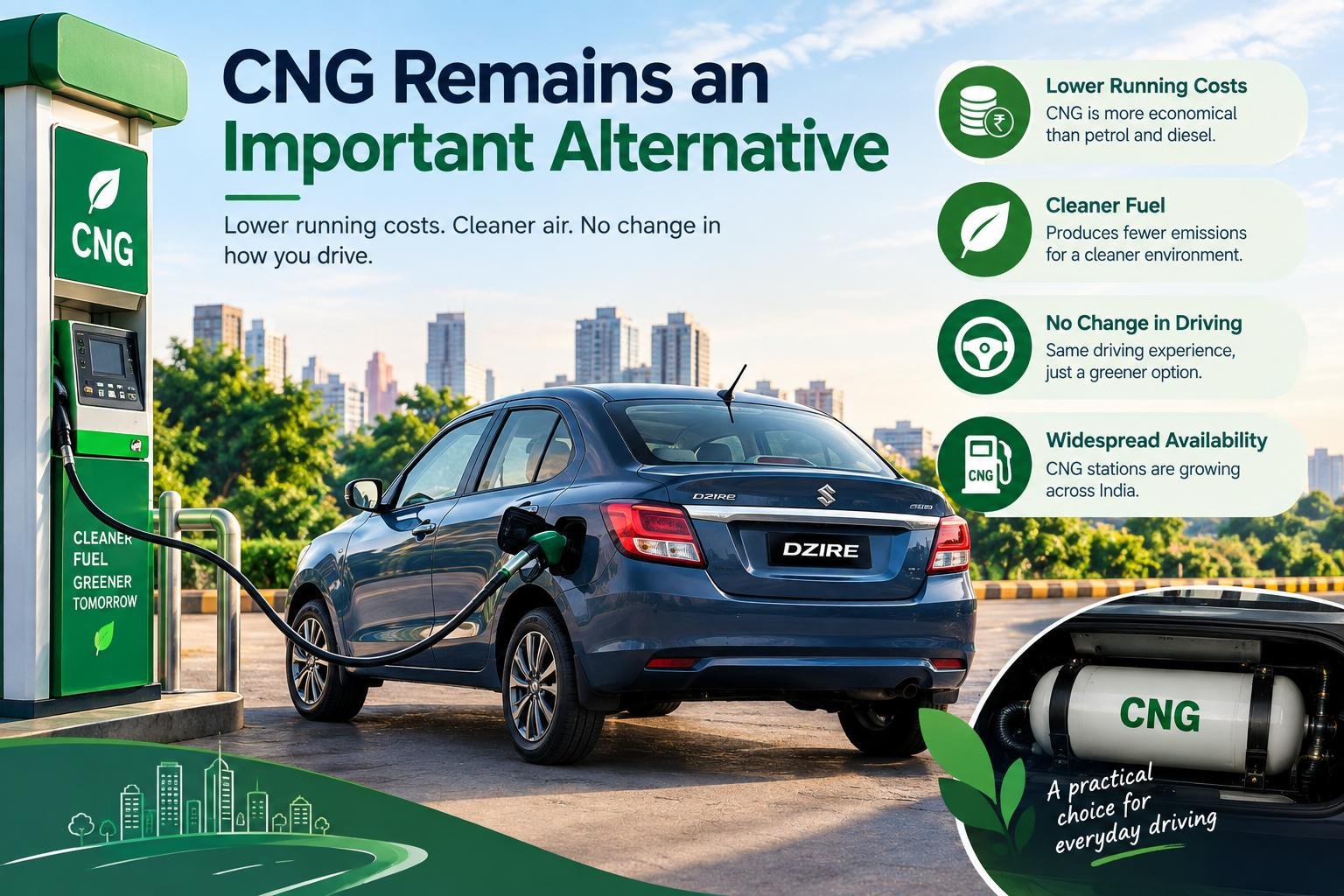
For buyers focused primarily on affordable daily transportation, CNG remains a practical alternative to petrol.
What Does This Mean for India’s Auto Industry?
India’s automobile transition is unlikely to follow a single path from petrol cars directly to EVs. Instead, consumers are increasingly getting multiple powertrain options based on their driving patterns, budget and access to charging infrastructure.
EVs, hybrids, PHEVs and CNG vehicles each address different consumer needs. While EVs may represent the long-term direction of the industry, hybrid and plug-in hybrid technology could play an important role during the transition.
For automakers, this means developing multiple powertrain technologies rather than relying on a single solution. For consumers, it means the choice of a new car is becoming less about simply choosing between petrol and diesel and more about finding the powertrain that best fits their lifestyle.